
I Tested Casina Casino with Slow Connection Performance for Canada

My web access isn’t always great, so I wanted to see how Casina Casino would behave with a poor connection casinacasinoo.com. I chose to test it myself. Would the platform at spinit.eu.com/de-at/ keep stable and playable despite the lag and dropouts you face on slow internet? This counts a lot if you live somewhere remote or you are limited to mobile data. I slowed my connection all the way to 1 Mbps featuring high latency, making it feel of a weak 3G signal. Then I used a few hours jumping between games, browsing through the lobby, and trying out deposits and withdrawals. Here’s what actually happened when I put the casino under pressure.
Configuring the Slow Connection Test Scenario
I intended my test to be real, so I utilized software to restrict my desktop’s connection. I limited the download and upload speed at 1 Mbps and introduced a 150ms delay to replicate high ping. This is pretty close to a unstable mobile connection or a crowded home Wi-Fi network. Before beginning, I wiped my browser cache. I utilized a regular Chrome browser on a mid-range laptop, with no special tweaks for gaming. I depended on Casina’s instant-play website in my browser, since that’s how most people reach it and where connection problems usually appear first.
Financial Transactions and User Account Control
I paid close attention to deposits and withdrawals. A unstable connection can sometimes cause time-out errors, which you really don’t want with money. I attempted a few small deposits using multiple methods. The interfaces for the payment gateways loaded slowly, but the security seals were all present. I was careful filling out the forms to avoid triggering any timeout. The system operated. Transactions went through after I confirmed them, even if the confirmation message was slow to pop up. For viewing my account history or bonus details, the pages loaded fine because they’re mostly text. The key takeaway? Everything financial continued to function on a slow connection. You simply need more patience.
- The payment gateway pages loaded with a delay, but they were protected.
- None of my test transactions didn’t go through because of the slow connection, though timeouts are definitely a possibility.
- Account pages, which aren’t full of graphics, were more responsive to get around.
Final Decision on Performance and Dependability
So, what’s the conclusive verdict after running Casina Casino under this? I’d state it holds up, but with some notable points. The system has a solid technical foundation. The wait for games to start is long, but once they’re running, the gameplay by itself doesn’t break down. The site is built to preserve the fundamentals working even when your internet is weak. I would not suggest it for live dealer players on a bad connection. But for anyone playing slots or digital table games, it’s fully workable if you are able to tolerate the initial loading screen. For users in regions with persistently poor internet, Casina is a tough choice. Of course, a strong link is invariably better, but you are able to manage with this.
- Pick standard, easier games rather than the graphic-heavy options.
- Turn off every additional app or device that might be consuming your internet.
- Test the browser interface during quieter off-peak periods.
- If you keep hitting timeouts, contact customer support. They may point you to game developers that work better on low bandwidth.
Loading Times and Session Performance
This was the true test. Loading specific games, particularly the flashy video slots, suffered greatly. A standard slot required 25 to 40 seconds to launch from the lobby. But after that extended wait, something noteworthy occurred. When the game was fully running in my browser, the real gameplay was stable. The reel animations were slightly rough at the start, but then they became smooth. The important part—the game system that governs winning—seemed fine. That’s handled by the casino’s server. I wasn’t booted or have a game crash on me mid-spin. Table games and live dealer offerings were another matter, which I will cover next.
Optimizations and Suggestions for Poor Connections
Following all that testing, I picked up a few tricks to improve performance better on a weak signal. When possible, plug your computer directly into the router with an Ethernet cable. It is more stable than Wi-Fi. If you’re on Wi-Fi, attempt to get closer to the router. Consider playing late at night or early in the morning when fewer people are online, both at your house and on the casino’s servers. Inside the casino, select classic slots or simpler table games. They operate much faster than the big 3D video slots. And this is essential: make sure nothing else on your network is using up bandwidth. Stop Netflix, halt any big downloads, and tell your family to stop using TikTok for a minute. Doing this stuff can make a noticeable difference.
Playing with Live Dealers on Low Bandwidth
Live dealer games are the toughest challenge for a slow connection because they rely on a constant video stream. As you’d imagine, this is where the issues became clear. When I entered a live blackjack or roulette table, the picture quality fell to a low resolution. It seemed blurry and sometimes froze for two or three seconds before syncing again. The dealer’s audio, though, remained steady without many issues. I could place bets, but there was a noticeable delay between tapping a chip and observing it land on the table. For anyone who takes live dealer games quite seriously, this would be frustrating. But if you’re a occasional player who isn’t bothered by a pixelated image, the game itself still works.
First Load Times and Site Navigation
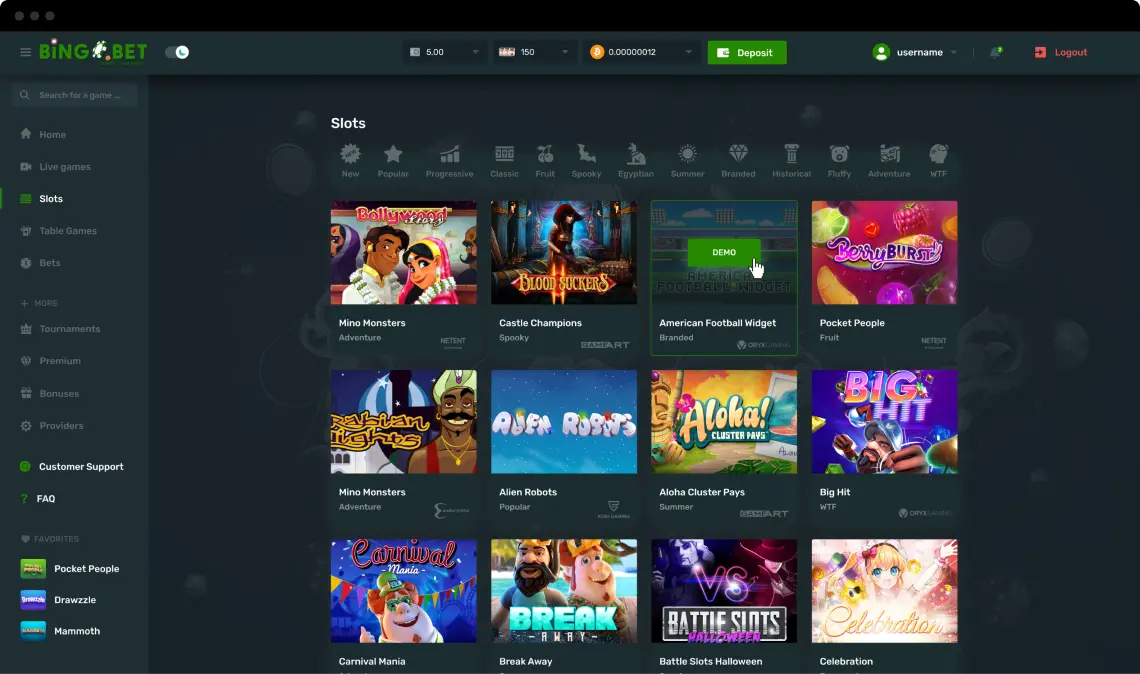
The first test was merely making the site to load. On my slowed-down connection, the Casina homepage required about 15 seconds to turn fully usable. The banners and pictures loaded in piece by piece. It was definitely slower than normal, but the page didn’t lock up or crash. Once I was in, navigating around the lobby functioned better than I expected. Tapping on slots or table games made a little loading icon show up for a moment, but I could still use the menu. The site’s design assisted here. A few things were notable right away:

- Images loaded in phases, which stopped the page from freezing completely.
- I could click on text menus and links before all the graphics finished loading.
- A visible loading spinner indicated me something was happening, so I didn’t resort to mashing the button.